
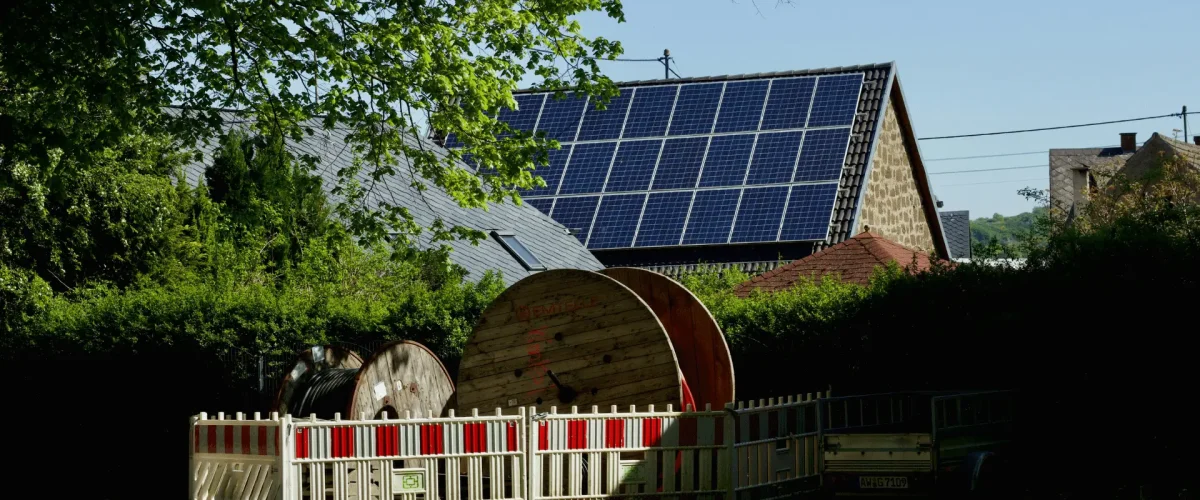
Solar energy is becoming a popular way for homeowners to reduce electricity costs and use clean power. However, installing a solar panel system can require a significant upfront investment. This is where solar loans come in. A solar loan allows homeowners to finance the cost of installing solar panels and pay for the system over time rather than paying the full amount upfront.
In this guide, you will learn how solar loans work, their benefits, and what to consider before applying for one.
What Is a Solar Loan?
A solar loan is a financing program that is tailored towards solar energy systems. A homeowner does not need to pay the entire amount of installing the system at a single time, but instead, obtains a loan with a lender and pays in monthly installments.
The financing is usually in the form of loan to pay for the solar panels, installation, permits, and other equipment. The homeowner begins to generate electricity and pay the loan in installments once the system is installed.
This source of financing has increased the availability of solar energy since it lowers the high initial cost that may deter homeowners from transitioning to renewable energy.
How Solar Loans Work
Solar loans are used in the same manner as other personal or home improvement loans. It generally consists of a few easy steps.
Applying for the Loan
The initial step is the application to finance with the help of a lender, solar installer, bank, or a financial institution. The lender reviews such things as credit score, income, and financial history during the application process.
If the borrower satisfies the requirements of the lender, the loan is approved, and the terms of financing are agreed upon.
Installation of the Solar System
The solar installation company commences the process of installing the solar panels and other equipment once the loan is approved. The installer usually receives the project payment directly from the lender.
Once the installation is completed, the system begins generating electricity for the home.
Monthly Loan Payments
A borrower is required to repay the loan in the form of monthly payments at a predetermined period of time, usually between 5 and 20 years. These payments involve the principal and interest charged by the lender.
The monthly payment of the loan can be the same or even less than the prior electricity bill in most instances depending on the amount of energy consumed and the size of the system.
Types of Solar Loans
There are usually two types of solar loans available to homeowners.
Secured Solar Loans
Secured solar loans cannot be secured without collateral, which can be the house or the solar equipment. These loans tend to have lower interest rates because the lender is assured of some security.
But in a case where the borrower defaults on repaying the loan, the lender might be in a position to seize the collateral.
Unsecured Solar Loans
Solar loans without security are not collateralized. Rather, the lenders use the credit worthiness of the borrower to grant the loan.
These loans are simpler to acquire yet carry a little premium interest rates as opposed to secured loans.
Benefits of Solar Loans
Solar loans have several benefits to homeowners who prefer to change to solar energy without paying a huge amount as the initial cost.
Affordable Access to Solar Energy
One of the biggest benefits is that solar loans make renewable energy more affordable. Homeowners can install solar panels immediately and spread the cost over several years.
Energy Savings
When the solar system is in use, it begins to generate electricity that minimizes the use of conventional sources of power. This will reduce monthly electricity bills by a lot.
Increased Home Value
Houses with solar energy systems tend to get buyers who are keen on energy conservation and reduction of utility bills.
Ownership of the System
Solar loans enable homeowners to own the solar system contrary to leasing or a power purchase agreement. This means that they are directly benefiting in terms of energy savings and any other incentives provided.
Factors to Consider Before Getting a Solar Loan
While solar loans can be a great financing option, it is important to evaluate certain factors before committing.
Interest Rates
The interest rates may be different according to the lender and the credit profile of the borrower. Depending on the lender, if the borrower has a positive credit profile, the interest rate will be lower and more affordable.
Loan Term
The duration of the loan influences the amount of the monthly payment. The shorter the term, the higher the monthly payments, but the lower the interest to be paid in the long run.
Credit Score Requirements
Most lenders will not grant good terms of the loan without good credit scores. Before you apply, it is good to check your credit profile as this will help you to determine whether you are eligible or not.
Total System Cost
You should know the overall price of the solar set up, such as equipment, installation, and financing fees. This assists in establishing the suitability of the investment to your financial objectives.
Are Solar Loans Worth It?
For many homeowners, solar loans are a practical way to transition to clean energy without a large upfront payment. By spreading the cost over several years, homeowners can start saving on electricity while gradually paying for their system.
When structured properly, the savings from reduced electricity bills can offset a significant portion of the loan payments. This makes solar financing an attractive option for those looking to invest in long-term energy savings.