

Connecticut solar panels cut monthly electric bills for Eversource and UI homeowners across the state. This guide covers equipment, incentives, financing, and what a Premier Improvements install looks like from site visit to power on.
Connecticut Solar Panels in 2026: Why Homeowners Are Going Solar
In the scenic state of Connecticut, solar energy is not just a possibility. It is a growing reality. As a veteran-owned Connecticut solar company, Premier Improvements designs and installs residential systems across the state. This guide covers the benefits, costs, and incentives of solar panel installation in the Constitution State.
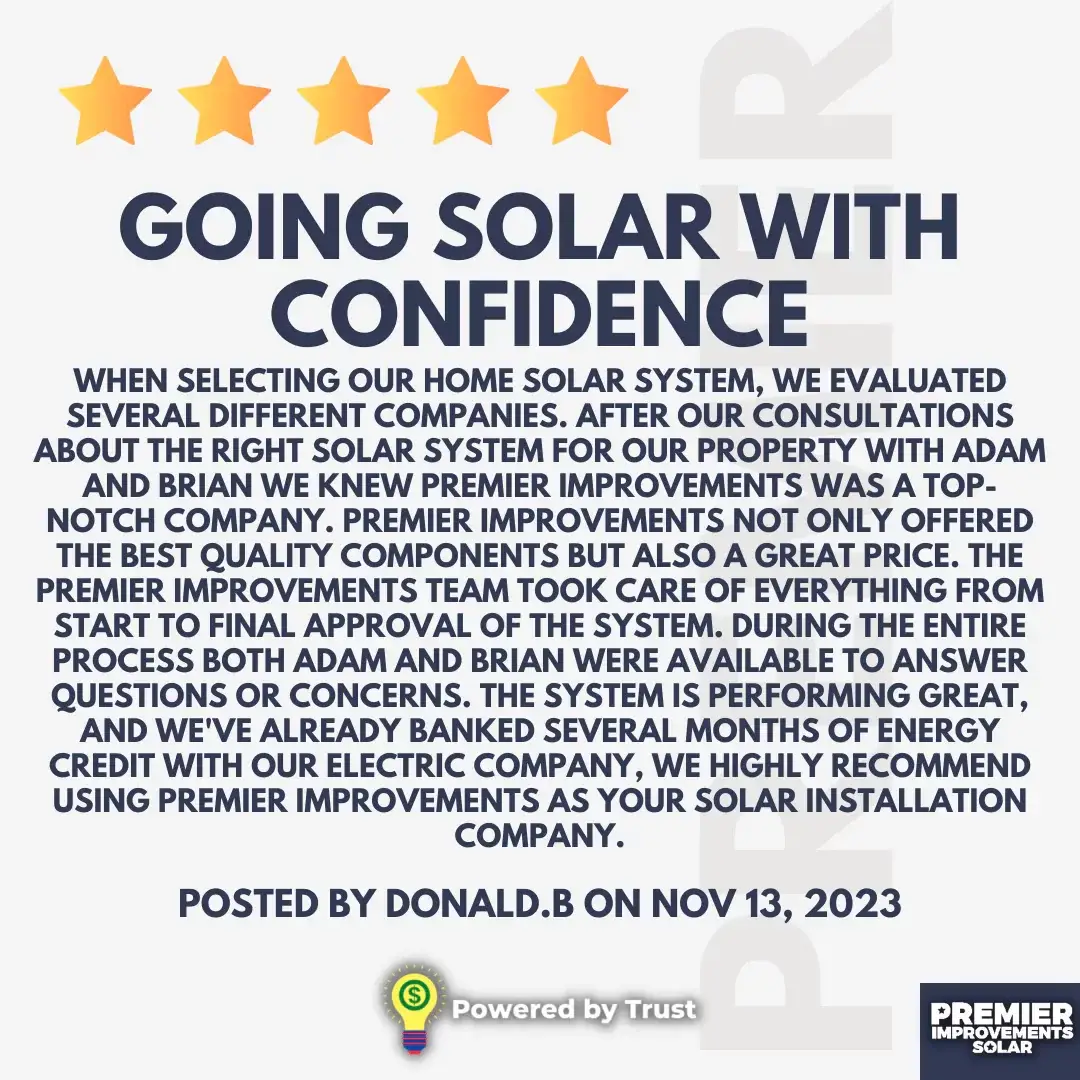
Ready to go Solar? Click here to visit Solar Calculator for Connecticut Homes or Call 860-969-4006 to be connected with an Expert Today!
Solar Energy Benefits in Connecticut
Cost Savings on Utility Bills:
Connecticut’s homeowners find solar panels an intelligent investment, significantly reducing electricity costs. Given the state’s diverse climate, solar energy provides a consistent source of power, diminishing reliance on conventional energy sources, and thereby lowering utility bills.
Stabilization of Electricity Prices:
With the fluctuating energy market, solar panels offer a sense of financial stability. This is particularly beneficial for those on fixed incomes or planning for retirement, as solar energy ensures predictable and fixed energy costs.
Low Maintenance and Durability:
The resilience of solar panels makes them an ideal choice for Connecticut’s varying weather conditions. Requiring minimal maintenance and designed to withstand extreme temperatures, solar panels present a long-term, hassle-free energy solution.
Ready to go Solar? Click here to visit Solar Calculator for Connecticut Homes or Call 860-969-4006 to be connected with an Expert Today!
Understanding Solar Power in Connecticut
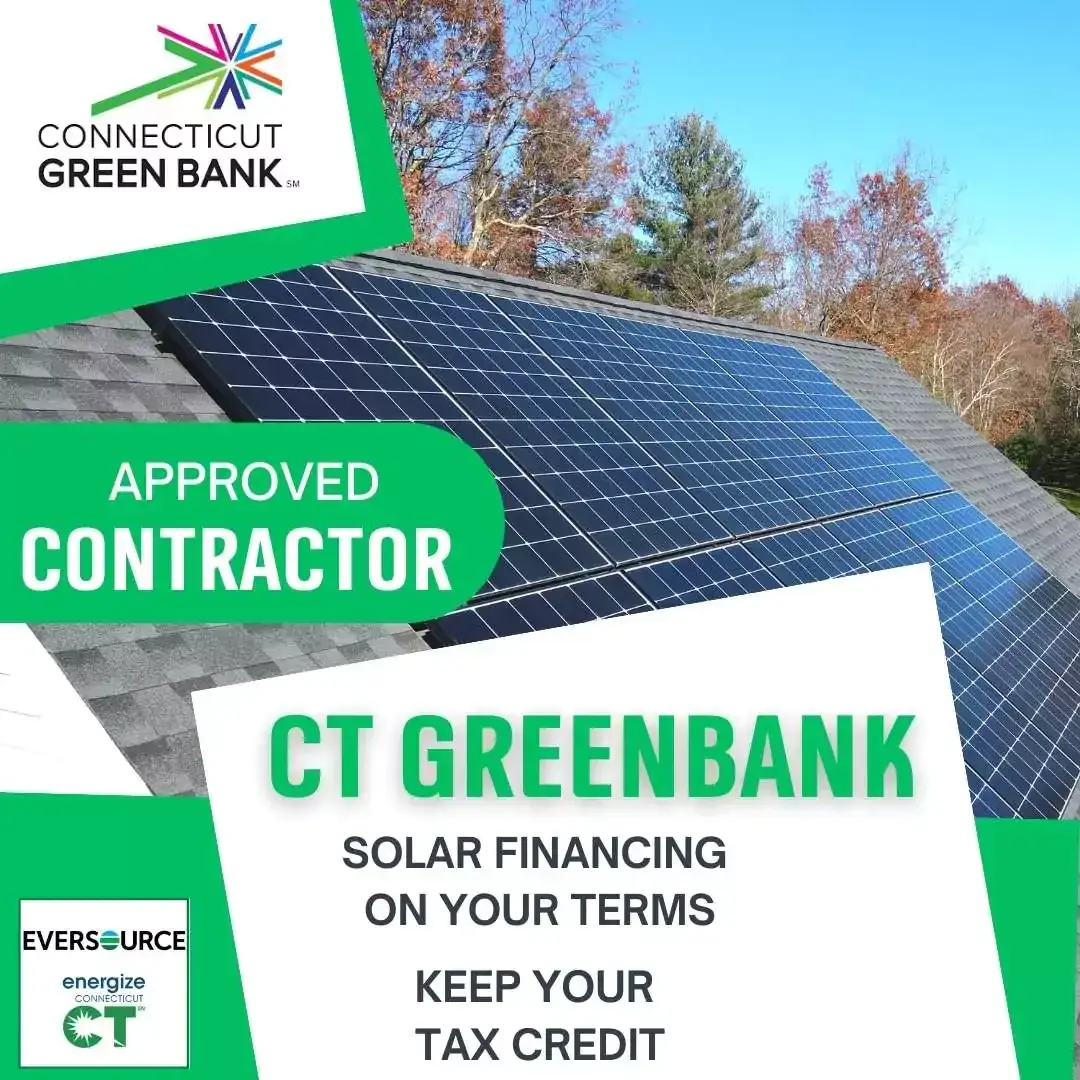
Despite Connecticut’s mix of sunny and cloudy days, solar power remains a highly effective and efficient energy source. The state, through programs like the CT GreenBank, offers numerous incentives to encourage homeowners to adopt solar energy. These programs, along with rising Eversource rates, keep solar an attractive option even after the federal residential credit ended on December 31, 2025.
Cost Analysis of Solar Panel Installation
The cost of solar installation varies, but with Premier Improvements, every system is customized for optimal efficiency and savings. Factors like roof orientation and shading are considered to maximize solar benefits. The 30% federal residential credit ended for systems installed after December 31, 2025, so savings now come from lower electric bills and Connecticut programs.
Connecticut’s Solar Incentives
Connecticut’s commitment to clean energy is evident through its various incentives:
Connecticut Green Bank Solar for All Program:
This initiative ensures that solar power is accessible to households of all income levels, offering reduced rates through power purchase agreements.
Solar Property Tax Exemption:
Encouraging residents to transition to solar, this exemption relieves the added property tax burden that could result from the increased value of solar-equipped homes.

Ready to go Solar? Click here to visit Solar Calculator for Connecticut Homes or Call 860-969-4006 to be connected with an Expert Today!
Selecting the Right Solar System for Your Home
Choosing the right solar system can be daunting. At Premier Improvements, we provide comprehensive services from design to installation, ensuring your solar system is perfectly tailored to your home’s needs. Whether it’s powering a few appliances or your entire home, we have the expertise to make it happen.
What to Check Before Going Solar in Connecticut
- Roof condition: panels last 25 years or more. A roof near the end of its life is best replaced first. Ask about our new roof and solar packages.
- Orientation and shade: south, east, and west roof faces all produce well. Heavy tree cover cuts output. A ground-mounted system solves a shaded roof.
- Your energy use: 12 months of utility bills show how large a system you need.
- Utility program: new Eversource and UI solar homes enroll in the RRES program with a Netting or Buy-All tariff.
- Financing: compare cash, the CT Green Bank Smart-E Loan, and lease or PPA options.
Why Timing Matters
Connecticut electric rates rank among the highest in the country. Every year without solar is another year of paying full price for grid power. A free design and savings estimate shows your numbers before you commit.
Frequently Asked Questions
1. What are the initial costs of installing solar panels in Connecticut?
The initial cost of installing solar panels in Connecticut varies based on several factors, including the size of the system, the types of panels used, and the complexity of the installation. On average, homeowners might expect to invest anywhere from $25,000 to $40,000 for a standard residential solar panel system before incentives and rebates. Connecticut incentives such as those offered through the Connecticut Green Bank still reduce the effective cost. The 30% federal residential credit ended for systems installed after December 31, 2025. It’s important to get a customized quote from a reputable installer like Premier Improvements to understand the specific costs for your home.
2. How does Connecticut’s climate affect solar panel efficiency?
Connecticut’s climate, characterized by a mix of sunny and cloudy days, is generally conducive to solar energy production. While it’s true that solar panels generate more electricity on bright, sunny days, they still produce a significant amount of energy on cloudy days. Modern solar panels are designed to be efficient even in less-than-ideal lighting conditions. Connecticut’s cooler temperatures can actually improve panel performance, as solar panels tend to operate less efficiently in extremely hot weather. Overall, Connecticut’s climate is favorable for solar panel installations.
3. Can solar panels significantly reduce my energy bills?
Absolutely. Solar panels can lead to a substantial reduction in your monthly energy bills. By generating your electricity, you rely less on the power grid, which translates to lower electricity costs. The extent of savings depends on various factors, including your household’s energy consumption, the size of your solar panel system, and the amount of sunlight your home receives. Many homeowners in Connecticut see savings that can amount to thousands of dollars over the lifespan of their solar panel system.
4. What maintenance do solar panels require?
Solar panels are known for their low maintenance requirements. In Connecticut, occasional cleaning to remove dirt, leaves, or snow is usually sufficient to keep them operating efficiently. They do not have moving parts, which minimizes wear and tear. Most solar panel systems are designed to withstand harsh weather conditions, including Connecticut’s winter snow and summer thunderstorms. A yearly inspection by a professional can help ensure they are in optimal condition, but day-to-day maintenance is minimal.
5. How do I qualify for Connecticut’s solar incentives and rebates?
Qualifying for Connecticut’s solar incentives and rebates typically involves installing a solar panel system on your property. Programs like the Connecticut Green Bank Solar for All Program and the Residential Solar Investment Program offer various incentives. To qualify, you need to work with an approved solar installer who will guide you through the application process for these programs. The 30% federal residential solar tax credit (Section 25D) ended for systems installed after December 31, 2025. Leased and PPA systems still carry federal value for the system owner on projects that start construction by July 4, 2026 or go into service by December 31, 2027. It’s advisable to consult your solar installer and a tax professional to ensure you take full advantage of these incentives and rebates.
More Questions?
Contact Us
Call: (860)969-4006
Visit: PremierImprovementsOne.com
Get Connecticut Solar Panels Sized for Your Home
Every roof and every electric bill is different. We design each system around your real usage, then show you the monthly savings before you sign anything. Start with our home solar panel installation page, run your numbers in the Connecticut solar calculator, and review CT Green Bank Smart-E Loan financing. For an independent overview of going solar, read the U.S. Department of Energy Homeowner’s Guide to Solar.
Ready for a design? Book a free home visit with our team.