
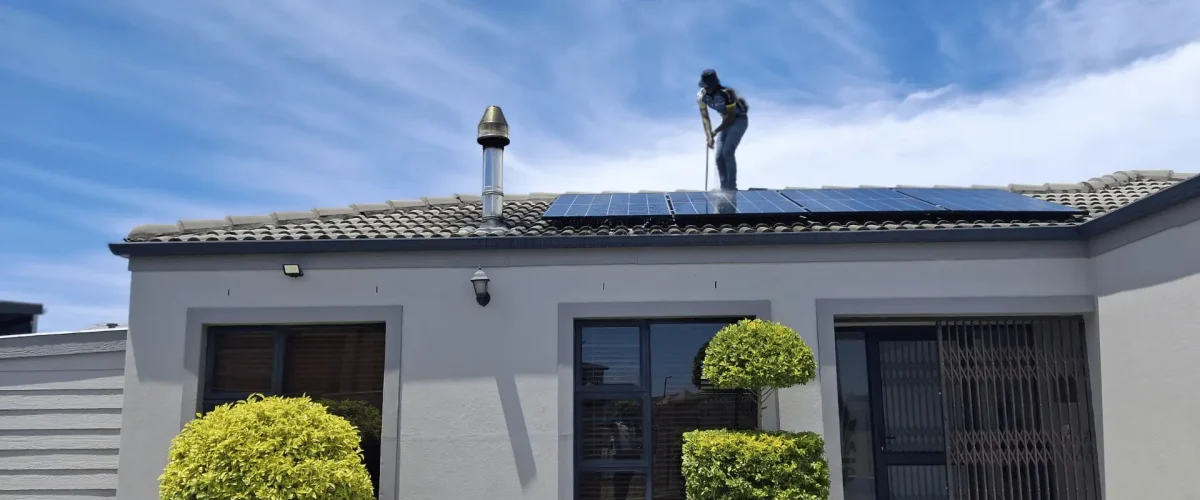
One of the most intelligent investments that a large number of homeowners can make is to install solar panels. Solar energy reduces the electricity bills, home value, and the use of fossil fuel. Still, there is one question that arises before the installation of the solar panels and that is:
Should I have the roof for the solar panels replaced? The answer to this is: not always. But the shape, age and the condition of your roof has a significant influence in deciding whether you should replace your roof before becoming solar powered. This guide simplifies all of this so that you can make the correct choice to make your house right.
Why Your Roof Matters Before Installing Solar Panels
Solar panels are expected to have a lifespan of 25 to 30 or longer. After they are installed, they run on your roof over decades producing clean energy on a daily basis.
Due to such a lengthy lifespan, your roof should be in good condition. Putting solar panels on a roof that is going to require a repair or replacement is going to cost you extra money in the long run.
In the event of a roof failure after solar panels have been installed, the panels have to be removed and installed again; this is an additional cost that most homeowners do not want.
How Old Is Your Roof?
One of the most significant things in choosing whether to go solar with a new roof or not is the age of the roof.
Asphalt Shingle Roofs (Most Common)
Typical lifespan: 20-30 years
Ideal in solar where: less than 10-15 years old
May need replacement if: Over 20 years.
When your asphalt shingle roof is at the expiry of its lifetime, it is usually the best thing to do before installing the solar panels.
Metal Roofs
- Typical lifespan: 40-70 years
- Solar installations are excellent.
- Usually do not need replacement
One of the most suitable roofing materials that solar panels can be built on is metal roofs because of their durability and the fact that they are easy to install.
Tile, Slate, or Wood Shake Roofs
- Lifespan varies (30-100 years)
- Can be solar supported, but might need special installation
- The cost of repairs is higher.
A professional inspection is particularly necessary in case you possess one of such types of roofs.
Signs You May Need a New Roof Before Solar
Although your roof may not be very old, its condition is what is more important than the age.
Here are common signs your roof may need replacement before going solar:
Visible Damage
- Flaking, peeling or broken shingles.
- Sagging areas.
- Stains or leaks of water in your house.
Frequent Repairs
In case you have already paid to fix the roof more than once, it is possible to replace the roof completely, which can be more economical before the installation of the solar.
Roof Leaks
Solar installation must be done with any active or historical leaks addressed before structural damage.
Poor Structural Integrity
The panels of solar attach weight to your roof. In case of a weak structure reinforcement or replacement might be necessary.
What Happens If You Install Solar on an Old Roof?
To install solar panels can technically be done on a roof that is older- but this causes issues in the future.
Potential Issues Include:
- Removal and installation costs on panels to undertake roof replacement.
- Solar installer voided warranties.
- High possibility of roof damage or roof leaks.
Removal and re-installation of solar panels can be very expensive, ranging between $2,000 and $6,000 or higher, depending on the size of the system. Thinking about the future can save you thousands.
Can Solar Panels Damage My Roof?
This is quite a general apprehension, yet the reply is in the negative–when properly installed.
Professional solar installers:
- Use proper mounting systems
- Seal all penetrations
- Follow local building codes
Actually, the solar panels have the capability of shielding the part of your roof that they are placed on against weather that would otherwise shorten its life.
Issues tend to arise only when:
- The roof itself was in bad condition.
- A novice contractor was hired to do the installation.
Should I Replace My Roof and Install Solar at the Same Time?
In many cases, yes—this is a smart move.
Benefits of Doing Both Together
- Eliminate the expenditure on future panels.
- Make your roof as long as your solar system.
- Automate permit and inspection.
- Improve home resale value
Certain roofing and solar firms even provide an option of combining roofing and solar, thus making the process an easier and sometimes cheaper one to undertake.
Can I Get a New Roof Covered by Solar Incentives?
Although solar tax credits do not typically cover the replacement of the roof on its own, financial incentives are to be taken into account.
Federal Solar Tax Credit (ITC)
- Finances 1/3 rd of solar installation.
- Costs of roofing are not normally included.
- Exception: Roof work that is necessitated to accommodate solar (limited cases)
Financing Options
- Solar loans, which consist of roof replacement
- Home equity loans or HELOCs
- State or local incentive (depends on location)
A local solar installer is also capable of assisting you in finding financing methods that are available in your state.
What If My Roof Is in Good Shape?
If your roof is:
- Less than 10-15 years old
- Free of leaks or damage
- Structurally sound
- And then probably you do not need a new roof until you can put in place solar panels.
The evaluation process will include inspection of the roof which will be done by most reputable solar companies and will inform you whether there are problems that require to be corrected.
When to Get a Professional Inspection?
It is always advisable to seek professional advice before coming up with any decisions.
Who Should Inspect Your Roof?
- An authorized roofing contractor.
- An experienced solar installer.
- In certain instances, a structural engineer.
They will assess:
- Roof age and materials
- Structural integrity
- Remaining lifespan.
This check makes you sure that you have invested in solar in a safe and long-lasting manner.