
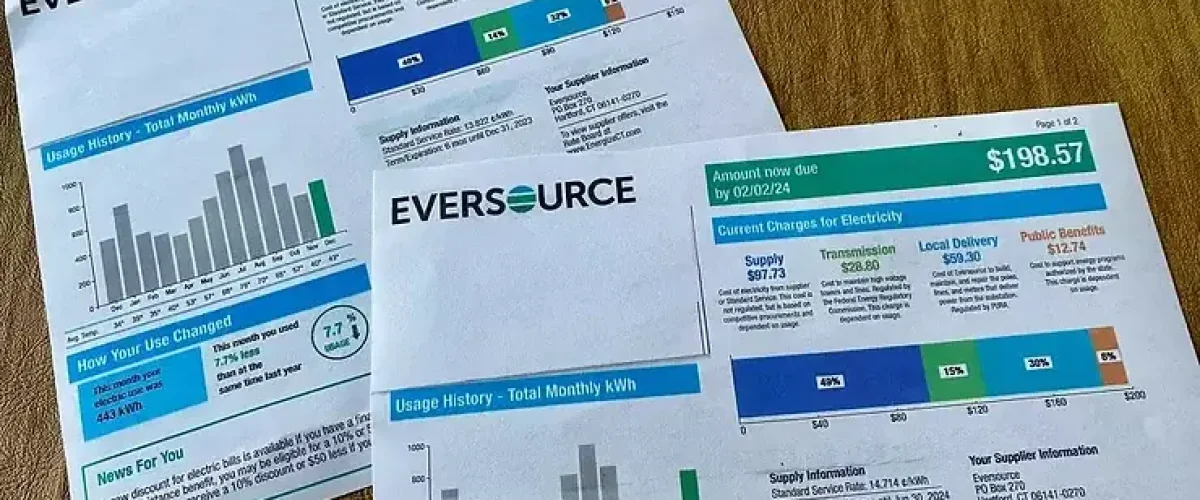
Quick answer: As of November 2026, the Eversource Connecticut residential supply rate is 11.58 cents per kWh. Rates fell twice in 2026, on May 1 and July 1. Two increases sit ahead. A new supply rate takes effect January 1, 2027, and Eversource wants a delivery rate increase that would start in July 2027 if regulators approve it.
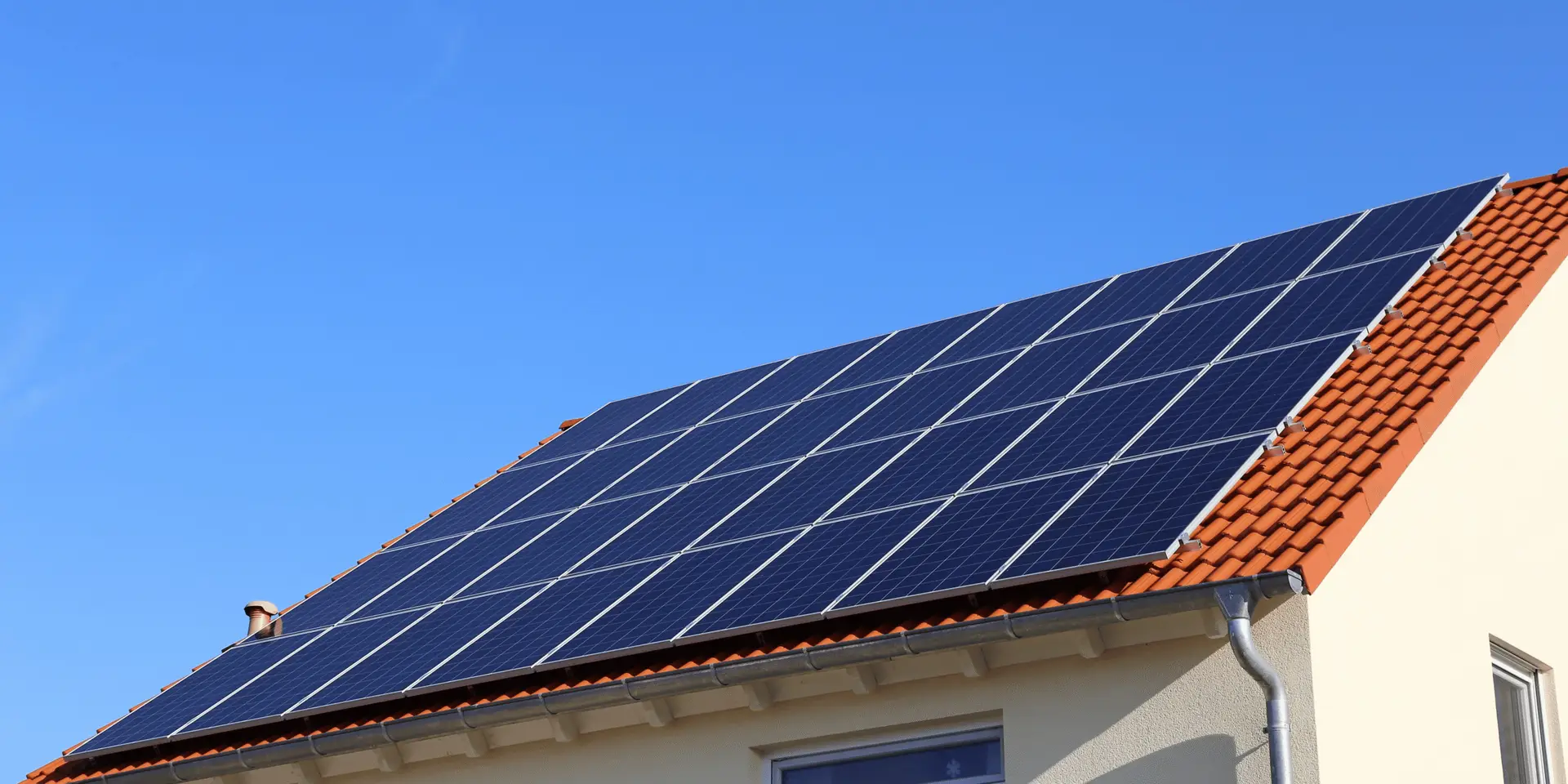
Table of Contents
Eversource CT Rate Changes: 2025 to 2027
| Effective date | What changed | Amount |
|---|---|---|
| January 1, 2025 | Supply rate | 11.19 cents per kWh |
| July 1, 2025 | Supply rate | 9.748 cents per kWh |
| January 1, 2026 | Supply rate | 12.64 cents per kWh |
| May 1, 2026 | Annual rate adjustment | Down 4.3 cents per kWh, about $30 a month for an average customer |
| July 1, 2026 | Supply rate | 11.58 cents per kWh |
| January 1, 2027 | Supply rate | Not yet set. Third-party estimate: about 15.2 cents per kWh |
| July 2027 | Delivery increase, if approved | Requested, not approved |
Sources: Connecticut Office of Consumer Counsel alert, PURA May 1 announcement, and OCC bill guide.
Why Eversource Rates Dropped in 2026
PURA credited the May 1 decrease to lower public benefits charges, especially those tied to the Millstone and Seabrook nuclear contracts, and to lower hardship protection costs. PURA called the approvals interim and conditional.
The July 1 supply change added more relief. The OCC estimates a $30.78 monthly decrease from May and a further $7.45 decrease from July for a customer using 700 kWh a month.
Eversource Rate Increases Coming in 2027
January 1, 2027 Supply Rate
Standard service rates change every January 1 and July 1. Eversource sets its January rate in a filing with PURA, expected in mid-November. Grid Shopper projects about 15.2 cents per kWh, with a range of 14.6 to 15.6 cents. That is a third-party estimate, not an official rate.
July 2027 Delivery Rate Request
Hartford Business Journal reports Eversource is seeking $503 million in added annual revenue. Here is what the request means:
- About an 11% increase on the average customer’s total bill.
- About 13% for a typical home using 700 kWh a month.
- A final PURA decision not expected until mid-2027.
- Increases beginning in July 2027 if approved.
This is a request. PURA has not approved it.
Eversource CT Rate Per kWh: What You Pay
The OCC lists Rate 1 residential charges that include:
- Supply: 11.58 cents per kWh. You avoid this charge by choosing a third-party supplier, who then bills you their rate.
- Transmission: 5.050 cents per kWh.
- Distribution: 5.844 cents per kWh.
- Electric System Improvements: 2.031 cents per kWh.
- Competitive Transition Assessment: 0.496 cents per kWh.
- Customer service charge: $9.62 a month.
- Public benefits credits: 2.061 cents per kWh on the Non-Bypassable FMCC and 0.103 cents per kWh on the Systems Benefits Charge.
You pay transmission, local delivery, and public benefits no matter which supplier you pick. Add these lines and the smaller program charges, and our estimate comes to about 23 cents per kWh before the fixed monthly charge. That is our math from OCC figures, not an Eversource number.
How Connecticut Compares With Other States
Connecticut’s average residential price was 24.51 cents per kWh in August 2026, against a U.S. average of 18.16 cents, according to the U.S. Energy Information Administration. That ranked Connecticut 10th highest among states. One year earlier, the Connecticut average sat at 30.17 cents.
How to Lower Your Eversource Bill
- Watch your supply rate. Compare it each January and July.
- Trim your usage. Smart thermostats, LED lighting, and Energy Star appliances all cut kWh.
- Know your options for help. Connecticut residents with high bills should review state energy assistance.
- Produce your own power. Solar reduces the kWh you buy from the grid at each new rate.
How Solar Protects You From Eversource Rate Increases
Every rate increase raises the price of each kWh you buy from the grid. Each kWh your panels cover is one you avoid buying at that new price. Solar does not erase your Eversource bill. Learn how solar panels work at night and how solar works with your electric bill.
Steps to Take Before You Go Solar
- Review your bills. Pull 12 months of Eversource bills to see your real usage.
- Check your roof. Age, orientation, and shading drive production. Replace an older roof before panels go on.
- Know the program. Connecticut’s RRES program replaced legacy net metering and pays through Buy-All and Netting tariffs.
- Compare financing. Cash, a loan, or LightReach each change your monthly math.
Choose a Local, Reputable Installer
Look for a Connecticut-licensed contractor with real local reviews, clear warranties, and a team that handles permits and utility paperwork. Premier Improvements is a veteran-owned Connecticut contractor. We offer an up to 30-year manufacturer warranty and a 10-year workmanship warranty, plus new roof and solar packages and battery storage.
Want to see what solar does for your monthly bill? Talk with our team.
Eversource Rate FAQs
What is the Eversource CT electric rate right now?
The residential supply rate is 11.58 cents per kWh as of July 2026. Delivery charges come on top of that.
Will Eversource rates go up in January 2027?
The new supply rate takes effect January 1, 2027. Eversource sets it in a mid-November filing. Grid Shopper projects an increase to about 15.2 cents per kWh, which is an estimate.
Is the Eversource delivery rate increase approved?
No. Eversource seeks $503 million in added annual revenue, and a final PURA decision is not expected until mid-2027.
How often do Eversource rates change?
Standard service supply rates change January 1 and July 1. PURA’s annual rate adjustment approved in 2026 took effect May 1.
Are Connecticut electric rates among the highest in the country?
Yes. Connecticut ranked 10th highest among states in August 2026 at 24.51 cents per kWh, against a U.S. average of 18.16 cents.
Why are CT electric rates so high?
Your bill stacks supply, transmission, distribution, and public benefits charges. Each line moves on its own schedule, so one cut does not offset every other charge.
Did Eversource raise rates in 2026?
The supply rate rose to 12.64 cents on January 1, 2026. Rates then fell on May 1 and July 1.
Will CT electric rates go down?
The latest signals point the other way. Grid Shopper projects a higher supply rate in January 2027, and Eversource wants a delivery increase in July 2027.