
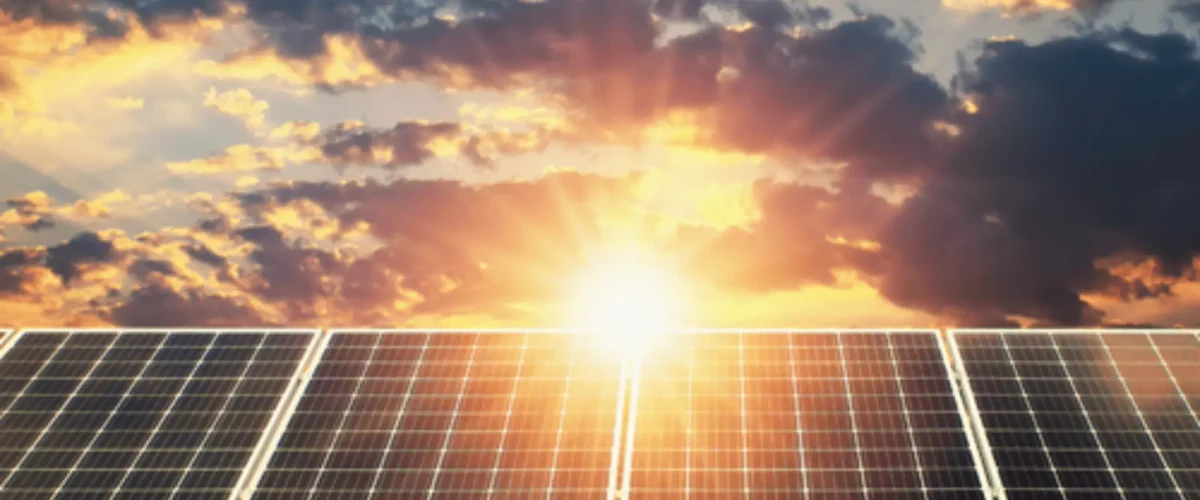
Solar energy has emerged as one of the most dependable and the most affordable sources of energy to homes. As the cost of electricity rises, the federal tax incentives are very high, and more people are turning towards the use of solar to light up their homes.
This guide is written in a manner that describes how to install solar power in clear subheadings rather than step by step. It is written in simple language and is targeted towards the audience with the consideration of residential solar energy.
Understanding Solar Power for Homes
Solar power operates by changing sunlight into electricity that can be applied to power your home. A majority of the residential systems are hard-wired to the local utility grid, which means that homeowners can use solar power in the day and grid power at night.
The solar systems are meant to minimize reliance on the utility companies and offer long-term savings and stability in energy.
Key Components of a Residential Solar System
A home solar power system has a number of key components that work in tandem with each other.
Solar Panels
They are solar panels that are typically placed in the roof and absorb the sun. When they are in the sunlight, they produce direct current (DC) electricity.
Inverter
The inverter is used to transform DC electricity into alternating current (AC), which is electricity used by most appliances.
Mounting and Racking System
These are used to hold the panels to your roof or to the ground and also ensure that the panels are in a position where they will receive the maximum amount of sunlight.
Electrical Panel and Meter
The electrical panel in your house allocates electricity to the house. The bi-directional meter measures the quantity of electricity that you consume and the amount of solar energy that you are returning to the grid.
Utility Grid Connection
This is a connection that enables homeowners to be a part of net metering schemes, which exist in most states.
Home Suitability for Solar Installation
Not all houses are equal and there are some significant factors that determine solar performance.
Roof Type and Condition
Solar installations are most suitable in most houses that have asphalt shingle roofs. The roof must be well built and ideally less than 15 years old.
Sunlight Availability
South facing roofed houses tend to get the highest amount of sunlight. Nonetheless, the solar still can perform effectively in a west or east-facing roof and in states with average sunlight.
Energy Consumption at Home
Solar power can be of great benefit to homes that consume more electricity. Looking at utility bills would also be used to find out the appropriate size of the system.
Solar Installation Costs
Installation of solar power is determined by the size of the system, quality of equipment installed and location.
Average Price Range
The residential solar systems range from 15,000 to 25,000 before incentives are provided. Prices have been greatly reduced in the past 10 years.
Federal Solar Tax Credit
The Federal Clean Energy Credit is available to homeowners who may deduct 30 percent of the total cost of the installation of the system as federal tax. This incentive is given to panels, inverters, labor, and battery storage.
State and Local Incentives
Other benefits include rebates, tax credits and performance-based incentives, which are provided by many states. Net metering programs can also be offered by utility companies as credits.
Choosing the Right Solar System Type
Various solar systems fit various household requirements.
Grid-Tied Solar Systems
These systems are linked to the utility grid and are the most popular among homeowners. They are cheap and energy credits are possible using net metering.
Off-Grid Solar Systems
Off-grid systems do not depend on the utility grid but have to be equipped with battery storage. They are most suitable in remote or rural location.
Hybrid Solar Systems
Hybrid systems are grid connected with battery storage. They also supply supplementary power in case of outage and are common in regions with a high probability of storms or blackouts.
Working with Professional Solar Installers
Professional installation is highly encouraged and even mandatory.
Importance of Licensed Installers
Certified and licensed installers will guarantee that the system is in accordance with local building codes and National Electrical Code (NEC). Warranties and insurance cover also require professional installation.
What to Look for in a Solar Company
- NABCEP certification
- Strong customer reviews
- Clear warranty terms
- Transparent pricing
The majority of installers provide a free consultation and home system designs.
Design, Permits and Approvals
Your solar company will design a system to suit your roof and energy requirements before it is installed.
System Design
The design entails the placement of the panels, selection of the inverter and estimated energy production. It also takes into consideration the roof angle, shading and electrical capacity.
Permits and Inspections
Local governments are in need of building, and electrical permits. Also, homeowner’s associations (HOAs) can need approval. This process is normally undertaken by the installer.
What Happens During Solar Panel Installation
Solar installation is typically completed within a few days.
Installation Activities
- It has mounting equipment attached to the roof.
- The solar panels are fitted to mounts.
- Inverters and wiring are fitted.
- The system is attached to the electrical panel.
Installers make sure that the roof is covered and closed.
Utility Inspection and System Activation
The system should be checked and accepted after installation.
Local and Utility Inspections
The check is done by the city inspectors and utility representatives that the system is up to the standard safety and performance.
Permission to Operate (PTO)
Upon approval, the utility will be authorized to operate. This will enable your solar system to export power to the grid.
Monitoring and Maintaining Your Solar System
Solar systems need minimal maintenance and are constructed to endure decades.
Performance Monitoring
The majority of systems have applications that monitor energy generation and consumption on-the-fly.
Routine Maintenance
- Cleaning occasionally in case of dirt accumulation.
- Notifying of performance degradation.
- Professional inspection at the intervals of several years.
Solar panels are usually provided with a 25 years warranty.
Benefits of Installing Solar Power
Solar energy has several benefits to the homeowners.
Financial Savings
Reduced monthly electricity and the long-term security of increasing energy prices.
Increased Home Value
Solar powered homes tend to sell better and at a high price.
Environmental Impact
Solar power will lower carbon emissions and contribute to cleaner air.