
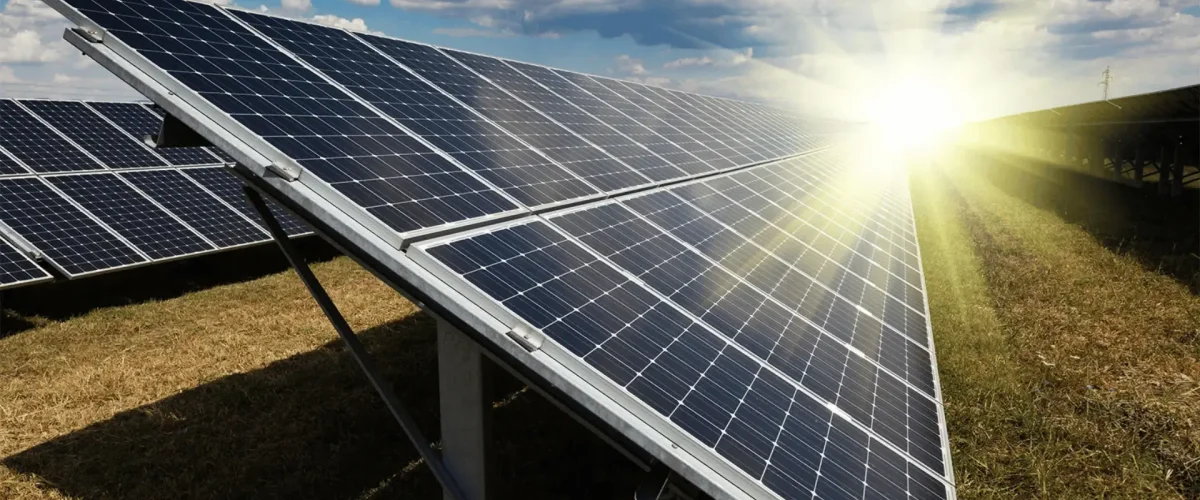
The use of solar panels is increasing. You might have noticed them on roofs in your neighbourhood or you might have heard them in the news. As the cost of electricity increases, and more people show interest in clean energy, the question many homeowners are asking is: Is it worth installing solar panels?
This would depend on various areas such as where you are in the world, the amount of electricity you consume and your financial ambitions in the long run. This paper simplifies all this down so that once you are done reading it, you will know whether solar suits you.
What Are Solar Panels and How Do They Work?
Sun rays are converted to electricity by solar panels. They are normally fitted on roofs or open areas where direct sunlight can be attained.
Basic Solar System Components
- The solar panels absorb the sun rays and convert them to electricity.
- Inverter transforms the electricity to power that can be used in your house.
- Meter measures the amount of energy consumed and sent back to the grid.
- Battery (optional) is additional energy that is stored to be used in future.
Solar panels can be used to power your home during the day. It can be diverted to the power grid as any additional power, depending on the regulations of your utility company.
The Cost of Installing Solar Panels
Average Installation Costs
The average residential solar system is between $15,000 and $25,000 in the absence of incentives.
The final price depends on:
- System size
- Roof type and condition
- Local labor costs
- Equipment quality.
Federal Solar Tax Credit
The Federal Solar Investment Tax Credit (ITC) is one of the reasons why solar is more affordable today. The system is eligible to be charged off at 30 percent of the cost of the homeowner on federal taxes.
For example:
- A $6,000 tax credit can be received on a $20,000 system.
- Your net cost becomes $14,000
Rebates or incentives are also available in many states and local governments.
How Much Can You Save on Electricity?
Lower Monthly Utility Bills
Solar panels can save you a lot of money or even nothing at all in your electric bill. The savings can be significant in the states that have high electricity rates, including California, New York, and Massachusetts.
Net Metering Benefits
Numerous utilities have net metering, which enables domestic customers to claim credits on additional electricity delivered back to the grid. These credits are used to offset the use during the night or during cloudy days.
The net metering regulations are state specific and hence the savings are state specific.
How Long Does It Take to Break Even?
Average Payback Time
Homeowners even in most regions of the U.S. break even in 6 to 10 years. A solar panel will last 25-30 years, and therefore, it will be many years of free or low-cost electricity once the break-even point has been met.
Solar can be a good investment of money, should you intend to remain in your house on a long-term basis.
Does Your Location Matter?
Yes, it is a significant factor of whether solar panels are worth it or not.
Best States for Solar
Solar is most effective in states that have:
- High electricity costs
- Strong sunlight
- Supportive solar policies
Examples include:
- California
- Arizona
- Texas
- Florida
- Nevada
Solar in Less Sunny States
Solar can still be useful to even states that receive less sunlight like Washington or Michigan due to the efficiency of the modern panels and the high rates of electricity.
Impact on Home Value
Solar panels may be put in place and this will enhance the value of your home.
What Buyers Like
- Lower energy bills
- Clean, renewable energy
- Hedge against a rise in the future rates.
The studies have indicated that houses with solar panels are usually sold at a higher price and within a shorter period of time than other houses without solar panels.
Environmental Benefits of Solar Energy
Clean and Renewable
When used, solar energy does not release any air pollution or greenhouse gasses. Homeowners will decrease their carbon footprint and contribute to combating climate change by switching to solar.
Energy Independence
Solar panels help to decrease the use of fossil fuel and utility companies. This could come in handy particularly in times when there is power failure or lack of energy.
Potential Downsides to Consider
Solar has numerous positive aspects but it is not suitable for everybody.
High Upfront Cost
Incentives notwithstanding, the initial investment may be costly. Solar loans and leases can be used as a source of financing, but it might decrease the total savings.
Roof Limitations
Solar panels can be optimally used on roofs that:
- Face south or southwest
- Are in good condition
- Scarcely shade of tree or building.
In case you have a roof requiring repair, you might have to repair it first, and then install solar.
Not Ideal for Short-Term Homeowners
You will not be sure of recouping your investment fully if you intend to sell the panels within a few years, unless you see a huge increment in the resale value.
Buying vs. Leasing Solar Panels
Buying Solar Panels
Pros:
- Maximum long-term savings
- Eligible for tax credits
- Increased home value
Cons:
- Higher upfront cost
Leasing Solar Panels
Pros:
- Little or no upfront cost
- Maintenance is often included.
Cons:
- Lower overall savings
- No tax credit
- May complicate home resale
For most homeowners, buying is the better option financially.
Is Solar Worth It for You?
Solar panels will pay off to a lot of people, in particular, when you:
- Pay high electricity bills.
- Intend to remain in your home on a long-term basis.
- Reside in a sun-soul state.
- Feel like being less harmful to the environment.
Solar may not however be the best option when your roof is somewhere inappropriate, you do not consume much power or you intend to change your location in the near future.