Solar energy is becoming one of the most popular renewable energy sources in the United States. Homeowners and businesses are installing solar panels to reduce electricity bills and lower their carbon footprint. But while solar panels often get all the attention, there’s another essential component working behind the scenes: the inverter.
So, what does an inverter do in a solar panel system? In simple terms, an inverter converts the electricity generated by solar panels into usable power for your home or business. Without it, your solar system would not be able to power your lights, appliances, or electronics.
In this article, we’ll break down how solar inverters work, why they’re important, and the different types available today.
How a Solar Panel System Works
To know about the inverter, it is best to first have knowledge about how a solar panel system functions.
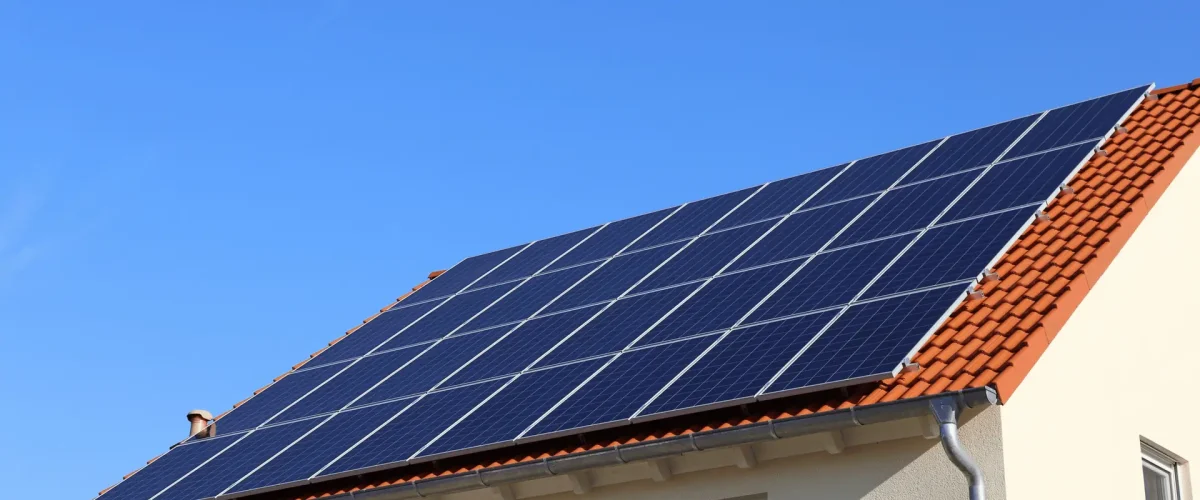
Photovoltaic (PV) panels, or solar panels, are panels that absorb sunlight and transform it into electricity. Their output of electricity is, however, termed as direct current (DC) electricity.
The problem is that most homes and businesses use alternating current (AC) electricity. Utility companies also supply AC power through the grid. This is where the inverter comes in.
The Main Role of an Inverter in a Solar Panel System
Converting DC to AC Power
A solar inverter is mainly used to convert DC electricity into AC electricity. This is what is referred to as inversion.
Once the sun rays hit your solar panels:
- DC electricity is produced by the panels
- The electricity in DC is directed to the inverter
- The DC power is converted into the AC power by the inverter
- Your home is fed by the AC electricity or is fed to the grid
In the absence of such a conversion, your solar panels would not produce electricity that can be used in daily appliances such as refrigerators, televisions, computers, and air conditioners.
Why the Inverter Is So Important
The inverter has been referred to as the brain of a solar panel system. That is because it does more than convert electricity.
Here are some key reasons why the inverter is critical:
- Makes your system compatible with the grid
- Checks performance of the system
- Optimizes the energy generation
- Provides safety features
These will be discussed in detail.
Grid Synchronization
When your system of solar panels is tied to the utility grid (also known as a grid-tied system), the inverter will be the thing that will keep the electricity generated at the voltage and frequency of the grid.
In America, it is 120/240 volts at 60 Hz. The inverter uses a variable power output to ensure that the output of your solar power complies with these standards to enable your system to safely be connected to the grid.
System Monitoring
Lots of contemporary inverters have onboard monitoring.
They allow you to:
- Measure the output of electricity of your system
- Monitor energy consumption
- Identify system failures or performance problems
Other systems go so far as to offer mobile applications so that you can check your solar energy production in real time.
Safety Protection
Solar inverters have safety features also. As an example, the usual grid-tied inverter will automatically turn off during a power outage. This helps to avoid flow of electricity back to the grid and safeguard utility workers against possible risks.
Types of Solar Inverters
Inverters that work with solar panels come in many types. The most suitable depends on your needs, budget, and installation arrangement.
String Inverters
The most frequently used and the most economical type are string inverters. With this arrangement, several solar panels can be linked in a group, known as a string, and the string is linked to one inverter.
Advantages:
- Lower upfront cost
- Simple installation
- Reliable technology
Disadvantages:
- One of the panels may be shaded or dirty, which reduces the performance
- Poor panel-level surveillance
String inverters are commonly used in small commercial and residential systems.
Microinverters
Microinverters refer to mini-inverters mounted on each of the solar panels. Each panel has an inverter rather than converting the power to a complete string.
Advantages:
- Improved function in dark situations
- Panel-level monitoring
- Improved efficiency of the system
Disadvantages:
- Higher initial cost
- More components to install
Microinverters can be used in roofs where there are shading challenges or complicated designs.
Power Optimizers
The hybrid solution is power optimizers. They are fixed at every single solar panel such as the microinverters, yet operate with a central string inverter.
They maximize the DC power in panel level and then pass it on to the central inverter to convert it.
Benefits include:
- Improved efficiency
- Panel-level monitoring
- Less expensive than complete microinverter systems
Inverters and Battery Storage
The inverter becomes even more significant if you install a solar battery system, e.g., one that is combined with your solar panels.
Battery systems are used to store the surplus solar energy to be used during the night or when the power goes off.
In these systems, you may need:
- A battery and solar panel inverter (hybrid)
- Battery inverter (in particular to handle battery storage)
Hybrid inverters are capable of controlling the energy flow between the solar panels, batteries, your house, and the grid. They assist you in terms of self-consumption and dependency on utility companies.
How Long Do Solar Inverters Last?
Solar panels can last 25 to 30 years or more. Inverters, however, typically have a shorter lifespan.
String inverters: 10-15 years
Microinverters: 20-25 years
Hybrid inverters: 10-15 years
This suggests that you will have to change your inverter at least once in the lifetime of your solar panel system.
Proper installation and regular maintenance could also be used to increase the life of your inverter.
Signs Your Solar Inverter May Have a Problem
Since the inverter is such a key part of your system, it’s important to know the warning signs of trouble:
- Sudden slump in energy production
- On the inverter display, there are error messages
- Flashing warning lights
- No power output
If you observe any of these problems, then it would be better to call a qualified solar technician to investigate and fix.
Choosing the Right Inverter for Your Solar System
The choice of the inverter is determined by a number of factors:
- Roof design and shading
- Budget
- Energy goals
- Battery storage plans
- Monitoring preferences
For simple, unshaded roofs, a string inverter may be sufficient. For roofs with partial shading or multiple angles, microinverters or power optimizers may provide better performance.
A professional solar installer can assess your property and recommend the best solution for your needs.