
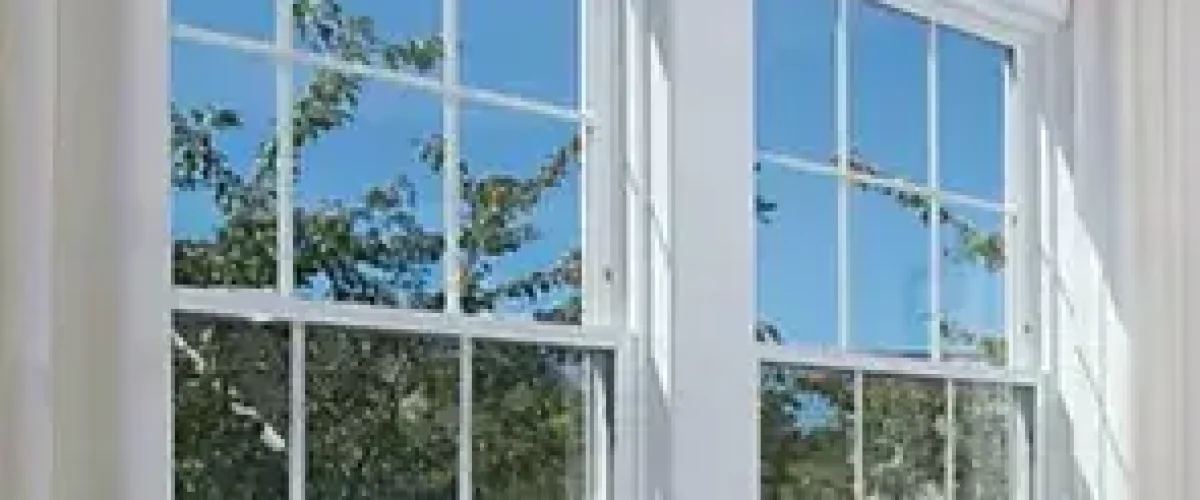
A double-hung window has two sashes, an upper and a lower, and both slide up and down in the frame. Open the top, the bottom, or both. On most modern double-hung windows each sash also tilts inward, so you clean the outside glass from inside the house.
How Does a Double-Hung Window Work?
Each sash rides in a track on the side of the frame and is held in place by a balance system. Raise the lower sash to let cool air in. Lower the upper sash to let warm air out. Opening both at once moves air through the room without a fan.
What Are the Parts of a Double-Hung Window?
- Sash: the framed panel that holds the glass. A double-hung window has two.
- Frame: the head at the top, the jambs on the sides, and the sill at the bottom.
- Balance: the spring system in the jamb that holds each sash where you leave it.
- Check rail: where the two sashes meet in the middle.
- Sash lock: the latch on the check rail that pulls the sashes tight.
- Tilt latches: the tabs that release a sash so it tilts in for cleaning.
Double-Hung vs. Single-Hung Windows
Both look the same from the street. The difference is the upper sash. Single-hung and double-hung windows together make up 61% of the windows in U.S. homes, according to a U.S. Department of Energy study.
| Double-hung | Single-hung | |
|---|---|---|
| Sashes that move | Both | Bottom only |
| Ventilation | Top, bottom, or both | Bottom only |
| Cleaning outside glass | From indoors on tilt-in models | Upper glass needs outdoor access |
| Price | Higher | Lower |
Pros and Cons of Double-Hung Windows
- Pro: flexible ventilation from the top, the bottom, or both.
- Pro: easy cleaning on upper floors.
- Pro: a classic look that suits colonials, capes, and most Connecticut homes.
- Pro: works with window air conditioners and screens.
- Con: more moving parts than a fixed or single-hung window.
- Con: sliding seals typically leak more air than the gasket seal on a casement window, according to the Department of Energy.
Which Frame Material Is Best?
- Vinyl: low upkeep and the most common choice for replacement windows.
- Wood: a traditional look that needs repainting or restaining over time.
- Fiberglass: strong and stable through temperature swings.
- Aluminum: slim and strong, though it conducts heat more readily than the others.
Replacing Double-Hung Windows in Connecticut
We install Harvey and Andersen double-hung windows across Connecticut. See our window replacement in Connecticut, learn how to insulate windows you plan to keep, or check monthly payment options.
Double-Hung vs. Casement Windows
A casement window is hinged at the side and cranks outward. When it closes, the sash presses against a gasket. Windows that compress a gasket typically let less air leak than windows with a sliding seal, according to a U.S. Department of Energy homeowner guide.
| Double-hung | Casement | |
|---|---|---|
| Opens | Up and down | Outward on a crank |
| Seal | Sliding weatherstripping | Compression gasket |
| Next to decks and walkways | Stays flush with the wall | Swings into the space |
| Window air conditioner | Fits | Does not fit a standard unit |
Single Pane vs. Double Pane Glass
The way a window opens and the glass inside it are separate choices. Double-hung describes the operation. Single pane or double pane describes the glass.
- Single pane: one sheet of glass. Common in older homes.
- Double pane: two sheets with a sealed space between them. Double pane windows make up about 60% of the windows installed in U.S. homes, according to the Department of Energy study linked above.
- Low-e coating: a thin coating that reflects heat back into the room.
How Do You Clean and Maintain a Double-Hung Window?
- Unlock the window and raise the lower sash a few inches.
- Slide both tilt latches inward and tip the sash toward you.
- Clean the outside glass, then press the sash back until the latches click.
- Lower the upper sash and repeat.
- Vacuum the tracks and check the weatherstripping once a year.
Keep the sash lock engaged when the window is closed. The lock pulls the two sashes together and tightens the seal.
Signs Your Double-Hung Windows Need Replacing
- A sash that will not stay up, which points to a failed balance
- Fog or moisture between the panes
- Drafts that remain after new weatherstripping
- Soft or rotted wood in the sash or sill
- Sashes that stick or will not lock
Frequently Asked Questions
What does double-hung window mean?
A double-hung window has two sashes that both slide up and down in the frame. Hung refers to the way each sash is held by a balance system inside the frame.
What is the difference between a single-hung and a double-hung window?
On a single-hung window only the bottom sash moves. On a double-hung window both sashes move, which adds ventilation and makes the outside glass easier to clean from indoors.
Are double-hung windows energy efficient?
A well-built double-hung window with double pane low-e glass and tight weatherstripping performs well. The U.S. Department of Energy notes that windows closing against a gasket, such as casement and awning windows, typically leak less air than sliding styles.
What sizes do double-hung windows come in?
Sizes vary by manufacturer, and replacement windows are built to fit the opening. We measure every opening before we order.
Do double-hung windows work with a window air conditioner?
Yes. The lower sash closes down onto the top of the unit, which is why double-hung windows are the standard fit for window air conditioners.
Are double-hung windows hard to clean?
No. On tilt-in models both sashes tip into the room, so you clean the outside glass from indoors, even on upper floors.
Talk to Premier Improvements
Ready to price new windows? We measure every opening and give you a written quote. Call (860) 969-4006 or book a free home visit. We are a veteran-owned and women-owned Connecticut contractor. CT Lic. #HIC.0659657.
Get our Connecticut solar and roofing updates first in Google. Add Premier Improvements as a preferred source.