Solar power in CT pays off because Connecticut electricity costs far more than the national average and the state’s utilities credit you for the power your panels send to the grid. The biggest advantages are lower monthly bills, credits through the RRES program, state tax rules that favor home solar, backup power when you add a battery, and a home that sells with its own power source.
Here is what each advantage means for a Connecticut homeowner in Eversource or UI territory, with each program detail linked to the agency or utility that sets it.
Lower Bills: Why Solar Power in CT Pays Off
Connecticut homes paid an average of 27.09 cents per kWh for electricity in September 2026, against a U.S. average of 18.17 cents, according to the U.S. Energy Information Administration’s Electric Power Monthly (November 2026 release). Eight states paid more.
That gap is the core of the case for solar here. Every kilowatt-hour your panels make during the day is one you do not buy from the utility at that price. The higher the rate you avoid, the more each panel on your roof is worth to you each month.
Rates move over time, up and down. The same EIA table shows Connecticut at 30.41 cents in September 2025, so the average fell this year and still sat far above the national figure. Power you make yourself does not follow those swings.
Credits for the Power You Send to the Grid
Through the Residential Renewable Energy Solutions program, run by Eversource and UI under the Public Utilities Regulatory Authority (program page, opened November 2026), the power your panels send to the grid earns credits, and Eversource’s RRES page (November 2026) says Netting credits at your retail rate roll over month to month, so extra power from long June days counts against short December bills. Our guide to Connecticut net metering and RRES covers both options and their rates.
State Tax Rules That Favor Home Solar
State law exempts a qualifying home solar system, sized to the home’s own use, from property tax, according to the Office of Legislative Research report 2023-R-0214 (August 2023, opened November 2026), and our guide to CT solar incentives for 2027 lists every state program and rule in one place.
The federal credit is a different story. The IRS Residential Clean Energy Credit page (updated November 23, 2026) says the credit is not available for any property placed in service after December 31, 2025. Read when the solar tax credit went away for the details, and ask a tax professional about your own return.
Backup Power When the Grid Goes Down
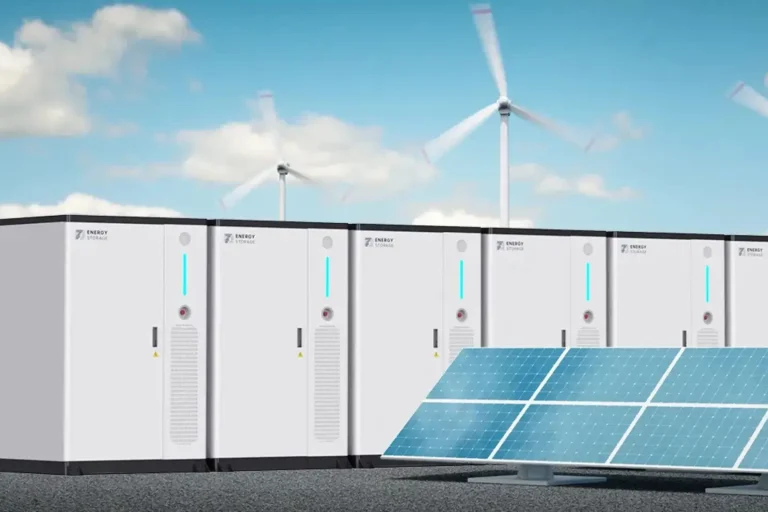
A grid-tied solar system without a battery shuts off during an outage. Panels alone do not keep your lights on when the grid is down. Add a battery and your essential circuits stay on, with your panels recharging it during the day through a long outage.
We install FranklinWH batteries. Eversource and UI customers qualify for incentives through the state’s Energy Storage Solutions program, which put a new incentive structure in place in 2026. Governor Lamont’s July 2026 announcement says Public Act 26-127, which carries the state’s residential solar programs through 2035, supports battery storage for grid reliability. Read more about solar battery storage systems in CT.
A Home That Sells With Its Own Power
Owned panels sell with the house, and a buyer moves into a home that already makes part of its own electricity. Our guide to selling a house with solar panels in Connecticut explains how the RRES enrollment carries over to the buyer, how appraisals treat owned panels, and what the state disclosure form asks.
Leased panels work differently. The buyer takes over the lease or the seller buys it out before closing, so read the lease terms before you list the house.
Ways to Pay That Fit a Monthly Budget
You do not need cash up front to go solar. We offer cash, loan, LightReach and the CT Green Bank Smart-E Loan. The CT Green Bank Smart-E page (November 2026) lists no money down, loans up to $50,000 and terms from 5 to 15 years, with solar panels and battery storage among the eligible upgrades. The same page allows up to 25 percent of a loan for non-energy work, such as roof repairs before the panels go on, which helps when an older roof stands between you and solar. Financing is subject to credit approval.
When you compare offers, set the monthly payment next to your current electric bill. A lower bill only counts as an advantage when the payment on the system fits your budget too.
Frequently Asked Questions
Do solar panels save money in CT?
For most homes with a good roof or yard, yes. Connecticut’s average residential rate of 27.09 cents per kWh in September 2026 sits well above the U.S. average of 18.17 cents, per the EIA, so every kilowatt-hour you make is worth more here than in most states. Your savings depend on your usage, your roof and the RRES option you pick.
How much does solar save in Connecticut?
There is no single figure. Savings depend on how much power you use, how much your roof or yard produces, your utility rate and whether you choose Netting or Buy-All. Ask for an estimate built from your own past electric bills, and treat every savings figure as an estimate.
What should I look for when hiring a solar company in CT?
Check the company’s registration at elicense.ct.gov, the state license lookup. Ask for every estimate in writing, with the panel and inverter brands, the warranties and the payment terms spelled out. Then compare the offers side by side before you sign anything.
See What Solar Means for Your Home
Have a recent electric bill handy when you ask for a free estimate, and ask to see the estimated monthly savings next to each way to pay. Ask for your free solar estimate and see the numbers for your own home before you decide.
Get our Connecticut solar and roofing updates first in Google. Add Premier Improvements as a preferred source.