
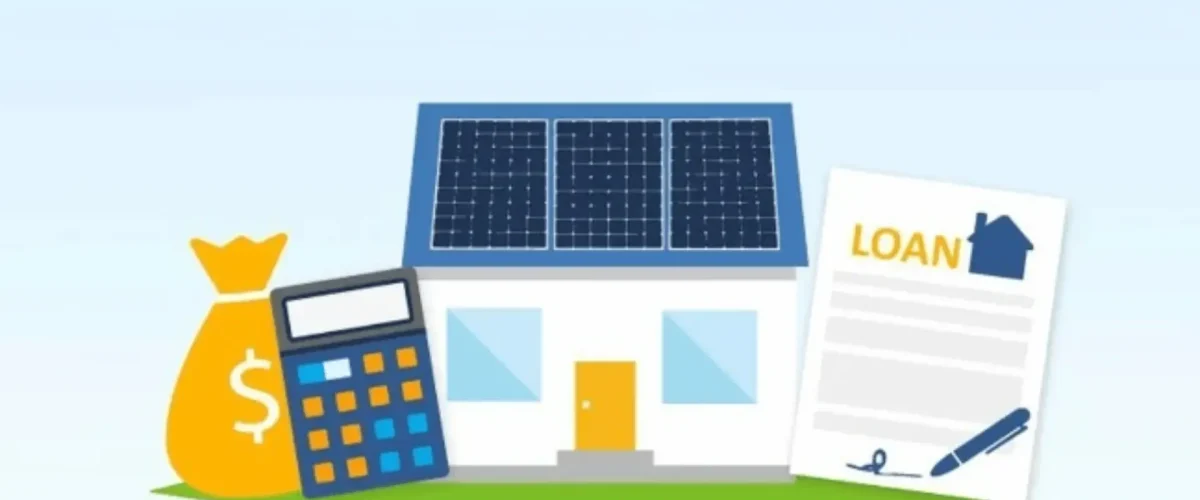
Installing solar panels is one of the smartest ways to reduce electricity costs and rely on clean energy. However, the upfront cost of a solar system can be significant. This is where a solar loan becomes useful. A solar loan allows homeowners to install solar panels without paying the entire cost upfront. Instead, the cost is paid back over time, through monthly payments.
This guide explains what a solar loan is, how it works, and why many homeowners choose this financing option.
What Is a Solar Loan?
A solar loan is a special-purpose loan that is created to finance the purchase and installation of a solar energy system. A lender offers the money required to install the solar panels instead of paying the entire cost of the panels at a single time. The lender is then repaid by the borrower in the form of fixed monthly payments within a specified time.
Solar loans are just like any other home improvement loan. The borrower will own the solar system but they will pay back the loan, allowing them to still save on energy and gain other possible incentives.
The majority of solar loans have a period of between 5 and 20 years depending on the lender and the size of the system. The borrower is also required to submit a regular payment during this period until the loan has been paid.
How Does a Solar Loan Work?
Obtaining a solar loan is most often not complicated and consists of several main steps.
To begin with, a homeowner chooses a solar installer, and gets an offer on the solar panel system. This quote will include equipment and installation, permits, and other costs.
The homeowner then takes out a loan with a lender to install the solar system. If it is approved, the installer is paid by the lender to install the system. The homeowner then starts paying off the loan in the form of monthly payments.
The system starts producing electricity as soon as it has been installed. This will save on electricity bills, and in most instances, the savings are able to cover the loan payments.
Types of Solar Loans
There are generally two main types of solar loans available.
Secured Solar Loans
In most instances, for secured loans, the collateral for the loan may be the solar system itself or the property. Due to the security that the lender has, such loans are normally charged at a lower interest rate.
However, failing to repay the loan could put the collateral at risk.
Unsecured Solar Loans
Solar loans that are not secured need no collateral. These loans are normally approved based on credit score, income, and financial history.
Although the loans are simpler to secure, they usually attract some higher interest rates as opposed to the secured loans.
Benefits of Using a Solar Loan
Solar loans have various benefits which render it a good choice among those homeowners who desire to install solar panels.
Affordable Upfront Costs
The greatest advantage is that a homeowner does not have to pay a large initial amount. Rather than paying off a few thousand dollars all at one time, the payments are divided into manageable monthly payments.
Immediate Energy Savings
The solar system begins generating power immediately once it has been installed. This will save on electricity payments every month and be able to offset the loan payments.
System Ownership
Solar loans also enable homeowners to own the solar system, unlike leasing or power purchase agreements. Property value can be raised through ownership, as well as offer long-term energy savings.
Flexible Financing Options
Most lenders have flexible repayment plans; therefore, it’s easier to select a repayment plan that fits the budget of the homeowner.
Things to Consider Before Taking a Solar Loan
Although solar loans offer many benefits, there are a few factors to consider before choosing this financing option.
Interest Rates
The interest rates charged by lenders differ and may influence the total cost of the system. You should compare various loan offers and find the most reasonable one.
Loan Term
Longer loan periods can lower monthly payments but will raise the amount of interest to be paid in the long run. The shorter terms will be less expensive in total but will entail increasing monthly payments.
Credit Requirements
Most lenders insist on a good credit score in order to secure the best interest rates. It is better to be sure of credit eligibility by checking before applying.
Installer Quality
The selection of a trustworthy solar installer is equally as crucial as the choice of the loan. An efficient system will be installed properly and be useful over several decades.
Is a Solar Loan Worth It?
For many homeowners, a solar loan is an effective way to switch to solar energy without large upfront expenses. It allows them to start saving on electricity costs while gradually paying for the system.
Over time, the combination of reduced energy bills and long-term system ownership can make solar loans a financially smart investment. In many cases, once the loan is fully paid, homeowners enjoy nearly free electricity for the remaining lifespan of the solar panels.